Former RFK Jr Adviser Accuses Susie Wiles of Throwing ‘Trump Under the Bus’
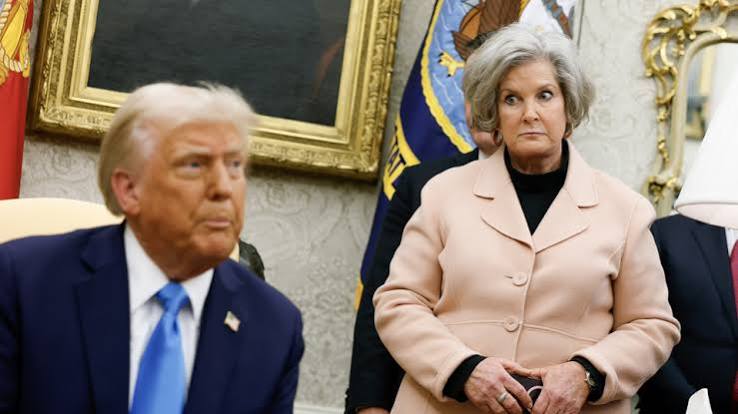
WASHINGTON-- Calley Means, a former senior adviser to Health Secretary Robert F. Kennedy Jr. and a prominent figure in the Make America Healthy Again (MAHA) movement, has accused former White House chief of staff Susie Wiles of attempting to distance herself from controversial administration policies by placing responsibility on President Donald Trump.
Means, who resigned from the administration last month, alleges that Wiles and influential lobbyist Brian Ballard are working to deflect scrutiny over decisions he says were shaped by corporate interests rather than the administration's stated public health priorities.
In a lengthy post on X Monday, Means accused Wiles of orchestrating what he described as a deliberate effort to shift accountability to the president.
"I want everyone in the White House to know that Susie is executing a systematic strategy to throw President Trump under the bus," Means wrote.
His accusations follow recent appearances on Joe Rogan's podcast and CBS News' "Face the Nation," during which Means criticized senior administration officials for allegedly prioritizing corporate interests in the development of federal policy.
Among those he singled out were former deputy chief of staff Richard Walters and Deputy Chief of Staff James Blair.
Ballard responded to the allegations in an unusual public statement Monday, rejecting Means' account and disputing claims that his lobbying firm had intervened with White House officials over the administration's position on glyphosate.
"I do not ordinarily respond to commentary about our firm," Ballard wrote. "I am making an exception today because Calley Means has made specific claims about Ballard Partners that are false, and the record should be corrected."
Ballard specifically denied that anyone at his firm had lobbied Wiles or other senior White House officials regarding an executive order addressing glyphosate.
"No one at Ballard Partners lobbied or communicated with Susie Wiles or anyone in the West Wing, including her Deputy Chiefs of Staff, regarding the Administration's executive order on glyphosate," he said.
Means challenged that denial by pointing to federal lobbying disclosures showing that Ballard Partners reported lobbying the White House on agricultural issues on behalf of Bayer, the manufacturer of Roundup, a widely used herbicide whose active ingredient is glyphosate.
The disclosure, covering the first quarter of 2026, identifies Ballard among the firm's lobbyists on the account and reports $90,000 in payments from Bayer during that period.
The dispute centers in part on an executive order Trump signed in February aimed at strengthening domestic production of glyphosate-based herbicides. The order characterized glyphosate as "a cornerstone of this Nation's agricultural productivity and rural economy."
The directive drew criticism from MAHA supporters, many of whom have raised concerns about the potential health and environmental consequences associated with glyphosate exposure.
Means argued that the federal disclosure undermines Ballard's public denial, suggesting the lobbying records contradict his assertion that the firm had no involvement with White House officials on the issue.
"Brian Ballard said in writing he didn't lobby Susie or White House staff on glyphosate. Since Ballard's disclosure below said he personally lobbied the White House in the quarter of the EO's release, he is either lying or throwing President Trump under the bus," Means wrote.
The competing statements have intensified questions surrounding the influence of corporate lobbying on the administration's health and agricultural policies, particularly as Kennedy's MAHA movement continues to confront tensions between its public health agenda and decisions made by the Trump administration.
Neither the lobbying disclosure nor the statements released by the two men, standing alone, establish that Ballard personally communicated with Wiles or other White House officials about the specific executive order. The distinction between reported lobbying activity on agricultural issues and direct lobbying concerning the glyphosate directive remains central to the dispute.